
ROYAL VARIETY TURNS INTO STARMER’S NIGHTMARE HUMILIATION – BRITISH PATRIOTS BOO HIM OFF STAGE IN TOTAL CARNAGE!
In an explosive turn of events during the prestigious Royal Variety Performance, British Patriots took to the audience, resoundingly mocking and booing Labour leader Keir Starmer, plunging the event into chaos and igniting conversations across the nation on social media and beyond. What was intended to be a night of celebration and entertainment was transformed into a politically charged spectacle by an uproarious crowd, underscoring the volatile atmosphere in contemporary British politics.

The evening began typically enough, with stars lighting up the stage and a dignified audience poised to enjoy the show. However, the mood rapidly shifted the moment Starmer, dressed sharply in a tailored suit, made his entrance to the royal venue. The collective spirit of the audience quickly morphed as a faction of British Patriots used the platform to express their undying discontent. The energy in the room twisted into an avalanche of jeers and boos, setting the scene for an unprecedented display of public disapproval aimed squarely at the high-ranking politician.
Sources within the venue describe a dissonance echoing through the hall—a cacophony of laughter mingled with derisive shouts directed at Starmer as he took a seat in the front row. However, the most astonishing spectacle was the vast array of British flags waved defiantly by the crowd, a visual declaration of rival sentiment against the Labour leader amidst a star-studded performance. The backdrop of musical performances and comedic skits faded into the background as boos erupted, creating an environment where Starmer’s presence became the focal point of discontent rather than the entertainment on stage.
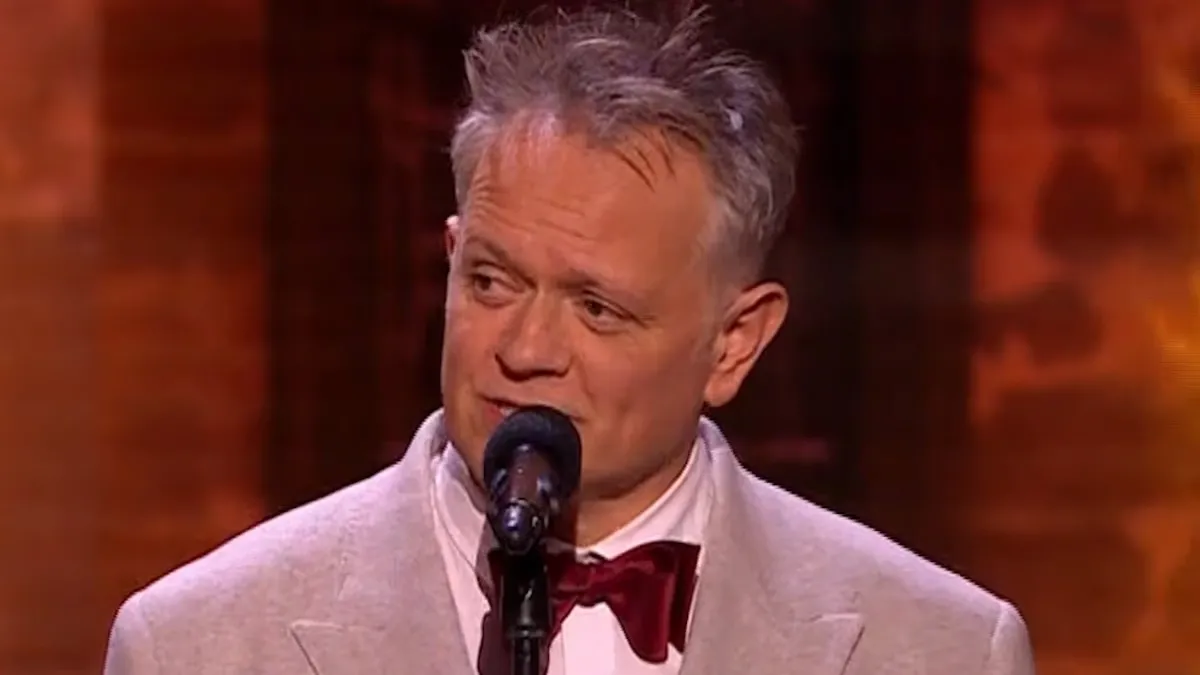
Videos of the incident quickly hit social media, with clips showing a visibly uncomfortable Starmer attempting to maintain his composure amidst the barrage of hostility. The reactions were polarized; thousands chimed in on platforms like Twitter and Instagram, some condemning the protesters while others praised the boisterous display of patriotism as a critical statement against the Labour Party’s leadership. While some called it an unhealthy display of disrespect, others hailed it as a necessary expression of dissent showcasing the palpable anger simmering across the nation.
This event starkly emphasizes the heightened political engagement among grassroots movements and the palpable anger that has taken hold of the electorate. With tensions regarding issues like the cost of living crisis, immigration policies, and national identity red-hot, the atmosphere surrounding British political discourse has shifted dramatically. Starmer’s reputation and the overall standing of the Labour Party now rest on a precarious edge, caught in a whirlwind of public sentiment that shows no sign of abating.
As the night went on, moments of awkwardness amplified the chaos. While entertainers on stage endeavored to redirect the audience’s attention, the crowd remained insistent, erupting into protest chants that drowned out the laughter intended by the evening’s acts. It was a poignant display of the political climate where every event becomes an opportunity for the public to channel frustrations towards their leaders.
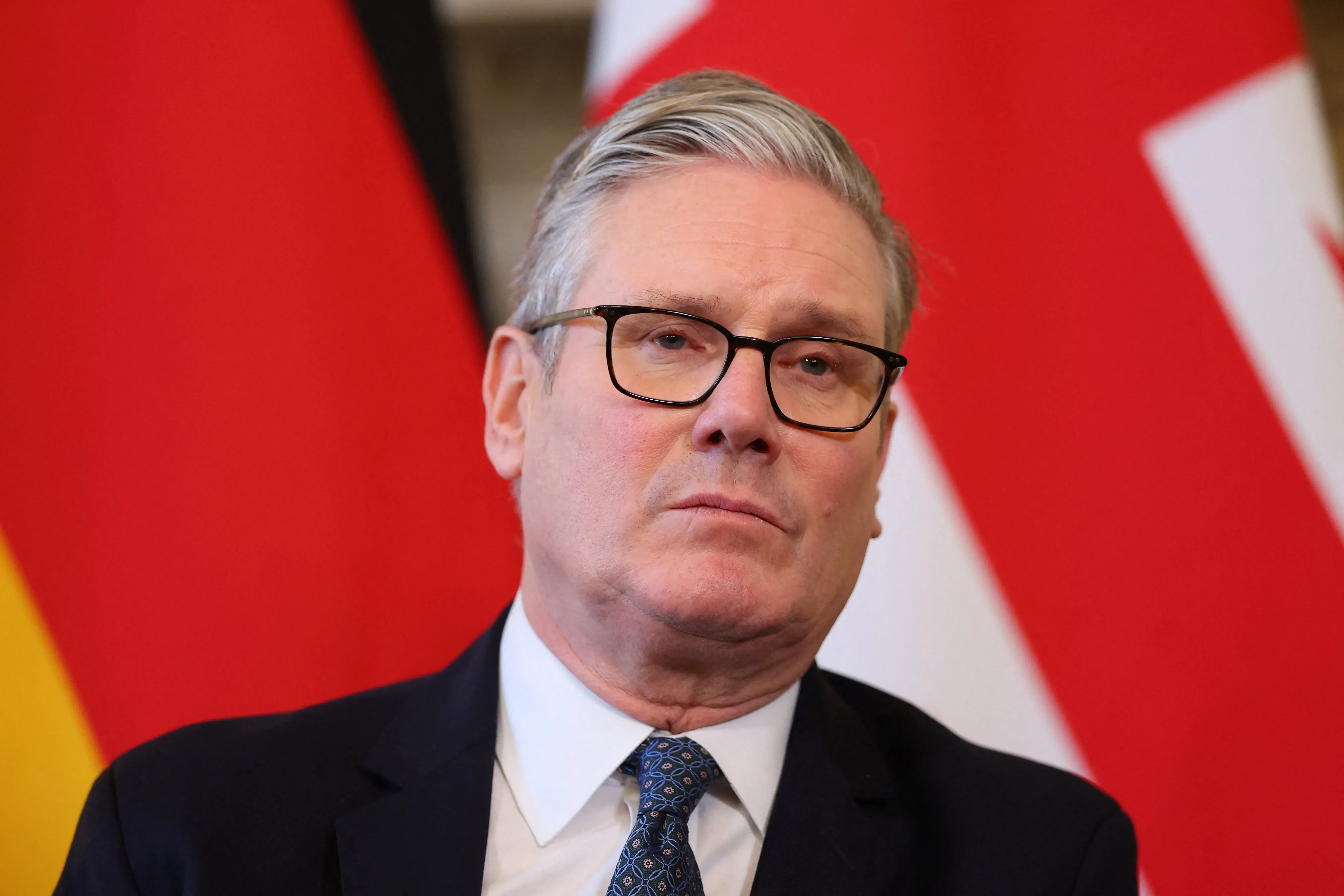
Political analysts were quick to recognize the significance of this public display of dissent in the context of recent elections and political movements in the UK. The visible contempt for a prominent politician at a highly anticipated cultural event embodies a significant shift in the narrative surrounding political engagement. Polls revealing declining support for traditional governance often highlight the gaps between political leaders and the voters they serve. The Royal Variety incident adds fuel to the fire, illuminating just how far these leaders are from the pulse of the people—a critical misalignment evident in the stark responses from the crowd.
Furthermore, this incident raises questions about the etiquette of political figures in public spaces. Many argue that leaders should expect public scrutiny, particularly in their gallery seats at major events. The unpredictability of audience reactions can no longer be dismissed as an anomaly; instead, they forecast an urgent need for leadership that resonates with the public rather than alienates it. As the Labour Party continues to grapple with internal dissent and shifting public opinion, it becomes increasingly evident that the stakes have never been higher.
In the aftermath of this spectacle, pundits predict a recalibration of Starmer’s approach as pressures mount from both within and outside the party. Speculation about potential repercussions on the Labour party’s strategy looms large as they gear up for upcoming elections. If last night’s events are any indication, the rallying cry from several sections of the electorate will demand significant reflection and a potential shift in how political leaders engage with their constituents.


