
Neil Garratt Humiliates Sadiq Khan Live As London Assembly Erupts Over Knife Crime

In a heated exchange at the London Assembly, Assembly Member Neil Garratt confronted Mayor Sadiq Khan over the alarming rise in knife crime, accusing him of evading accountability. The session erupted as Garratt presented stark statistics, illustrating a troubling trend that Khan appeared reluctant to address directly.
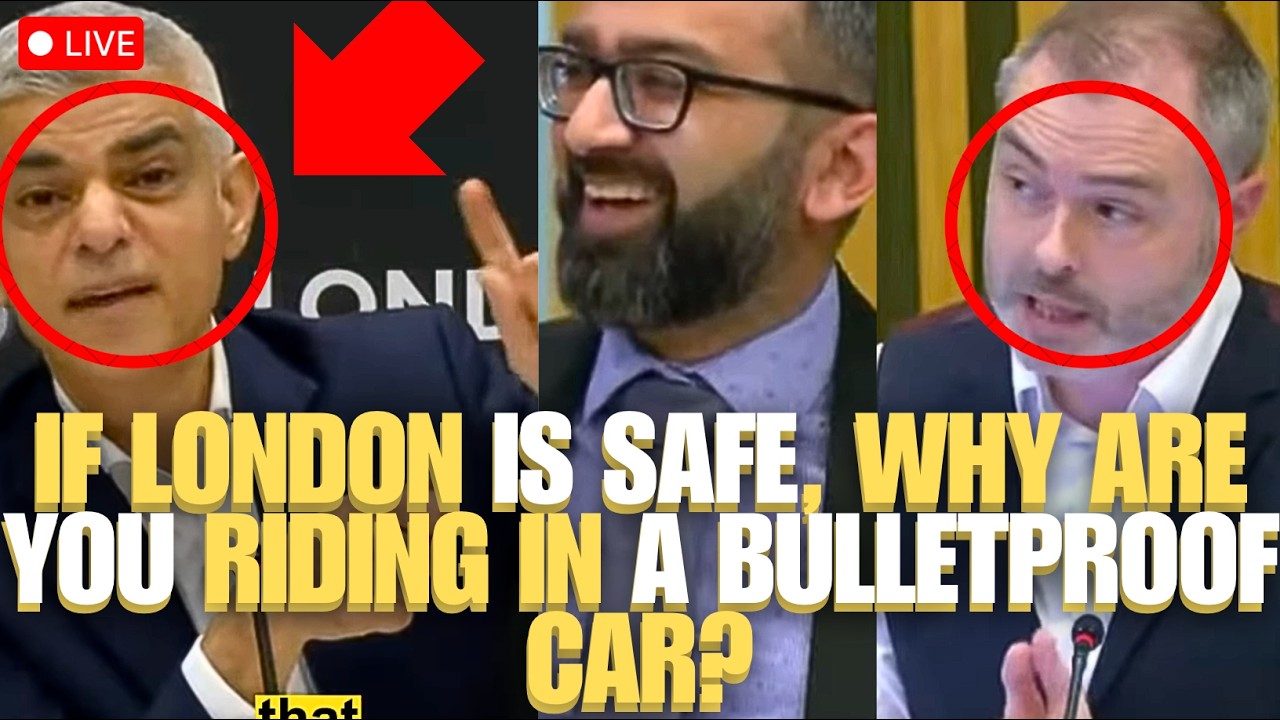 Garratt’s methodical approach highlighted a disturbing reality: knife crime in London has significantly increased since Khan took office. He cited figures showing that knife-related robberies have more than doubled compared to the last year of Boris Johnson’s tenure. This stark contrast lays bare the escalating public safety crisis facing Londoners.
The clash was not merely a political skirmish; it was a statistical showdown. Garratt’s reliance on hard data left Khan visibly scrambling for coherent responses. Each time Garratt pressed the issue of knife crime, Khan shifted the narrative, focusing instead on other crime statistics that, while relevant, did not directly address the issue at hand.
 Khan attempted to defend his record by citing reductions in certain crime categories, such as shoplifting and personal theft. However, Garratt quickly countered, emphasizing that these figures do not reflect the reality of knife crime, which continues to plague the city. This tactic of redefining crime categories appeared to frustrate not only Garratt but also many observers who demand transparency.
One of the most striking moments came when Garratt accused Khan of “gaslighting” Londoners. This accusation suggests a deeper concern among constituents that their lived experiences of crime are being dismissed or downplayed by their leaders. The emotional weight of such a claim underscores a growing frustration with political rhetoric that seems disconnected from reality.
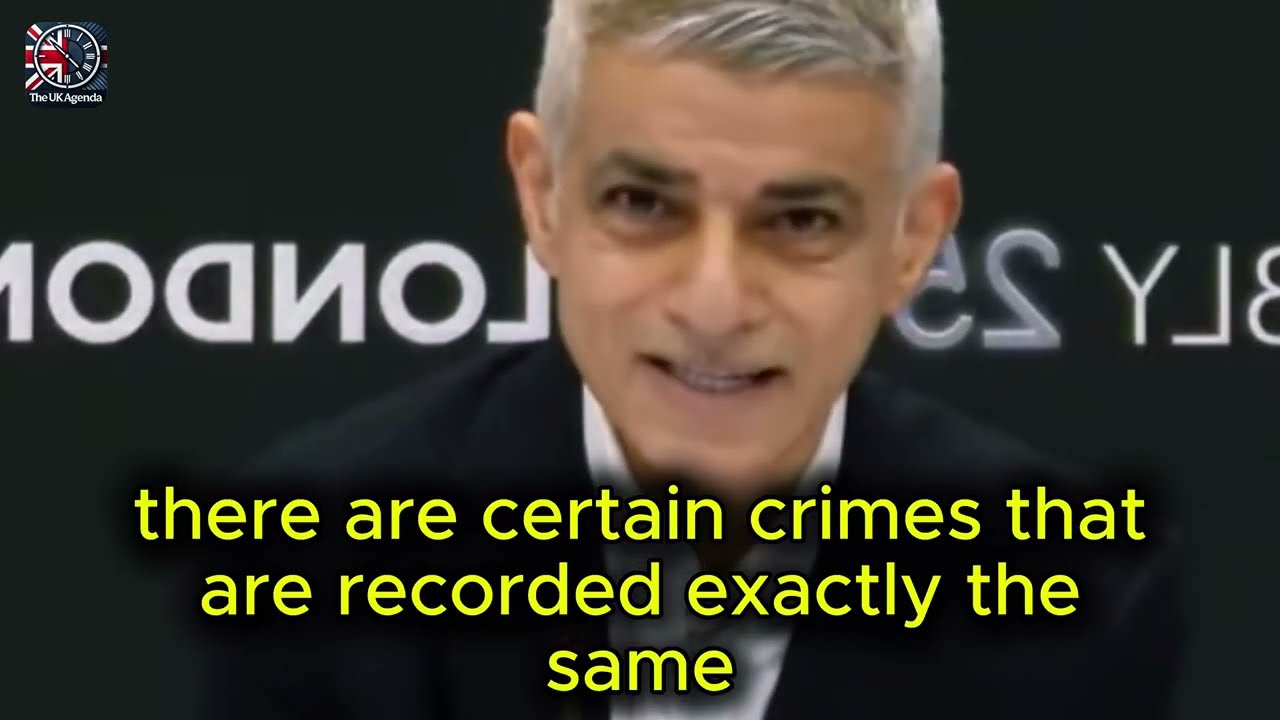
Khan’s responses included references to funding cuts and police numbers, arguing that austerity measures have hindered effective crime reduction. While these factors are indeed significant, they do not absolve him of responsibility for the current state of knife crime in London. The mayor’s insistence on linking crime statistics to broader economic issues felt like an attempt to deflect attention from his administration’s shortcomings.
 The exchange left many wondering about the effectiveness of Khan’s leadership. With crime rates rising, particularly in violent categories, the public is increasingly demanding accountability. The mayor’s failure to directly address the concerns raised by Garratt may further erode public trust in his ability to manage the city’s safety.
In conclusion, this confrontation at the London Assembly serves as a crucial moment for public discourse on crime in the capital. As Londoners grapple with rising violence, the need for clear, actionable responses from their leaders has never been more pressing. The implications of this debate will resonate well beyond the assembly chamber, shaping the future of London’s public safety policies.


