
Sir Keir Starmer was left reeling as Piers Morgan unleashed an explosive interview with Alaa Abd El Dark, a figure intertwined in a controversy that has captivated the nation. The revelations laid bare in this encounter have thrown Starmer and his party’s stance into disarray, raising urgent questions about accountability, integrity, and the future of British politics.
In a shocking confrontation that has sent ripples through the political landscape, Sir Keir Starmer was left reeling as Piers Morgan unleashed an explosive interview with Alaa Abd El Dark, a figure intertwined in a controversy that has captivated the nation. The revelations laid bare in this encounter have thrown Starmer and his party’s stance into disarray, raising urgent questions about accountability, integrity, and the future of British politics.

As the interview aired, viewers could feel the intensity radiating from Morgan, whose powerful questioning technique peeled back layers of narrative surrounding Abd El Dark. Known for his unyielding approach to interviewing, Morgan didn’t hold back as he probed into the allegations that have cast a shadow over Starmer’s leadership. The stakes were visibly high, with Starmer facing an onslaught of scrutiny not just from voters, but from an established media personality whose influence cannot be underestimated.
Alaa Abd El Dark, a name that has now become synonymous with controversy, made headlines previously for his polarizing views and outspoken criticism of British policies on immigration and race. The return of Abd El Dark to the media spotlight comes at a time when the Labour Party is already grappling with internal divisions and declining public support. His presence in the interview was a ticking time bomb, one that Morgan sparked to life with relentless questions about Starmer’s judgment and policy choices.
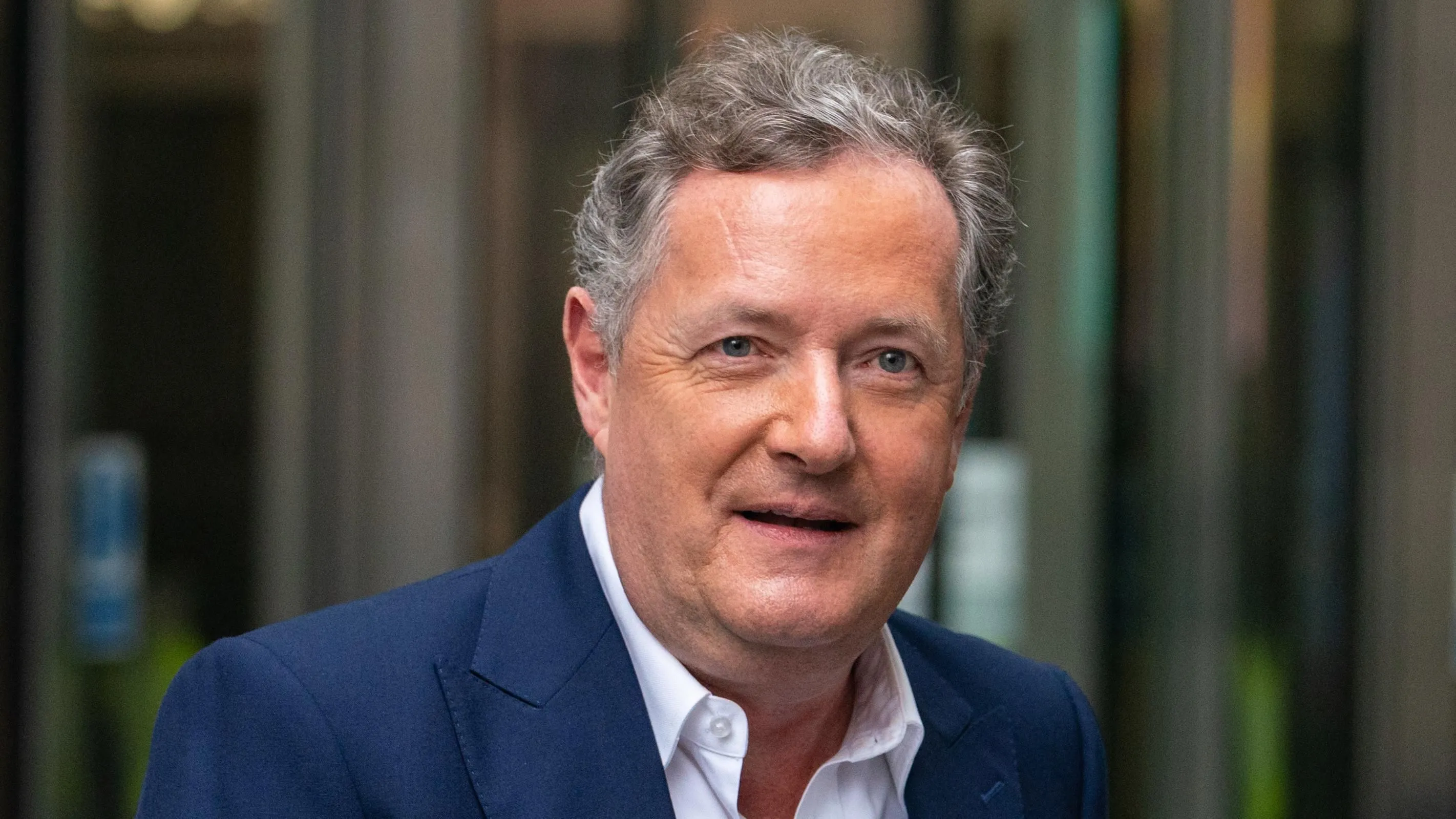
“Do you trust the man who leads your party?” Morgan pressed, his voice cutting through the tension in the studio. The question echoed beyond the confines of the interview room, reverberating through the political corridors of Westminster, as footage of Starmer’s reaction quickly circulated across social media. Eyes wide, barely concealing a mix of disbelief and frustration, Starmer was thrust into a defensive position, stammering through his justifications as Morgan expertly dismantled them one by one.
Viewers were left astonished as Morgan displayed an arsenal of evidence and statements, demanding clarity on contentious issues that have plagued Starmer’s leadership since he took charge. The image of a beleaguered Starmer struggling under the weight of pressing inquiries was a striking contrast to the confident façade he has maintained in public. “The public deserves honesty,” Morgan asserted, “and your party has danced around the truth for too long.”
The undercurrent of this interview was not merely about Starmer’s leadership; it was emblematic of a deeper crisis in British politics where trust has become a rare commodity. Abd El Dark’s criticisms of racial and economic inequality resonated with specific demographics, creating an unsettling juxtaposition against the backdrop of Starmer’s legislative goals. The line drawn between aspiration and action was becoming increasingly blurred, a reality that Morgan was not willing to let slide.
As the interview progressed, Abd El Dark accused the Labour Party of failing to adequately address the systemic issues that have long plagued marginalized communities. In fierce exchanges, he characterized Starmer’s policies as “band-aid solutions” desperately masking a much larger problem. The implications of such a claim are staggering; it suggests that the very foundation upon which the Labour Party stands may be at risk if they do not pivot toward real reform.
“Nobody believes the lies anymore, Keir,” Abd El Dark lashed out, piercing through the scripted responses that Starmer had rehearsed. The statement hung in the air like a challenge—one that Starmer appeared unprepared to meet head-on. As the tension escalated, the audience was left questioning whether Starmer could withstand the relentless media onslaught aimed at unearthing the cracks within his party’s narrative.
As the dust began to settle on this exhilarating encounter, the fallout extended beyond the confines of a single interview. Political analysts are now scrambling to decode the potential ramifications for Starmer’s leadership and the Labour Party’s position ahead of the looming elections. In a stark reminder of the power of televised media, Morgan’s interview may have shifted the public perception of Starmer irreparably, creating a narrative of vulnerability that will be hard to shake.


